

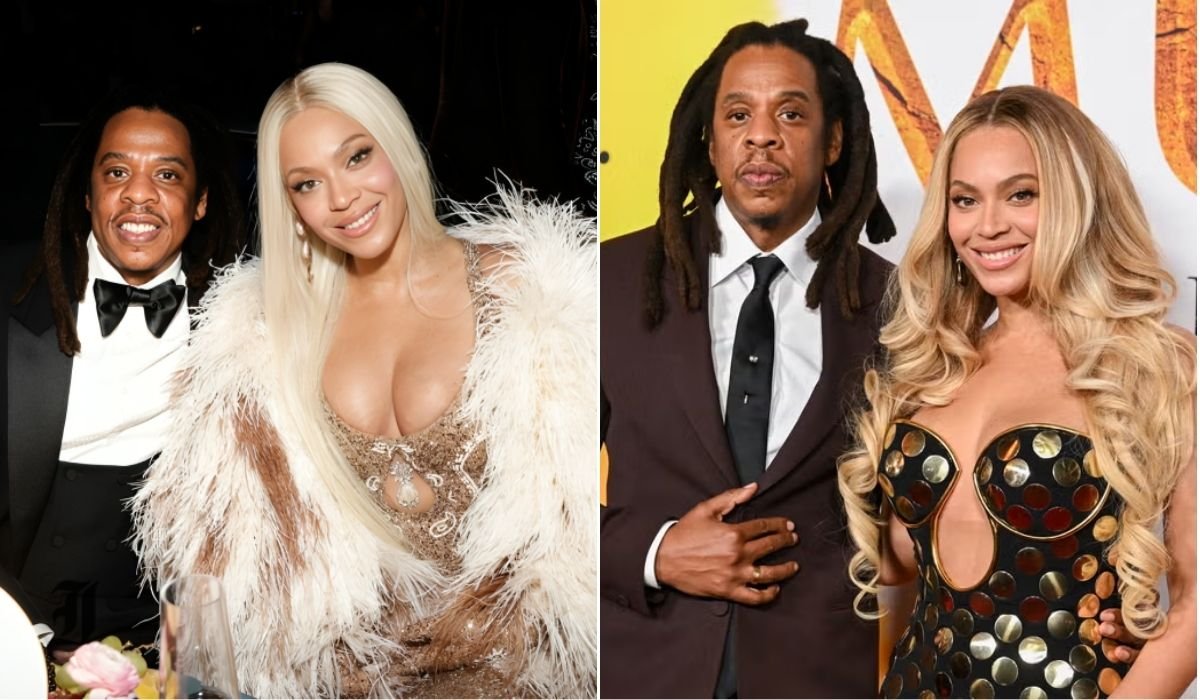
Adnis Reeves is best known as the father of Shawn Corey Carter, the Brooklyn-born rapper and business mogul better known as JAY-Z. Although Reeves spent much of his son’s childhood away from the family, his absence became one of the most influential personal experiences in JAY-Z’s life. The story is not simply about an absent parent; it is about family, trauma, forgiveness, fatherhood, and the way painful memories can shape an artist’s identity. JAY-Z has discussed his father openly over the years, particularly as he became more comfortable confronting difficult parts of his childhood.
The relationship between father and son eventually changed. After years of distance, Adnis Reeves and JAY-Z reconciled in 2003, shortly before Reeves died. That reunion gave JAY-Z an opportunity to confront unresolved feelings and understand his father from an adult perspective. Years later, Reeves became the subject of JAY-Z’s deeply personal song “Adnis,” connected to the 2017 album 4:44. In 2026, Reeves’ memory became relevant again when JAY-Z wore an Afro as a tribute to his late father, giving this family story a new chapter.
Quick Bio of Adnis Reeves
| Detail | Information |
|---|---|
| Full name | Adnis Reeves |
| Known for | JAY-Z’s father |
| Son | Shawn Corey Carter (JAY-Z) |
| Former spouse | Gloria Carter |
| Family home | Brooklyn, New York |
| Son’s birth | December 4, 1969 |
| JAY-Z’s childhood neighborhood | Bedford-Stuyvesant |
| Famous family connection | Father of a global hip-hop icon |
| Separation from family | When JAY-Z was about 11 |
| Relationship later restored | 2003 |
| Death | 2003 |
| Musical tribute | “Adnis” |
| Later tribute | JAY-Z’s 2026 Afro |
Who Was Adnis Reeves?
Adnis Reeves lived largely outside the public spotlight, unlike his son, whose career eventually made the Carter family internationally famous. Reliable accounts identify him as JAY-Z’s father and describe a complicated family history that became increasingly important to the rapper as he grew older. Reeves was married to Gloria Carter, and together they were part of the family environment surrounding JAY-Z and his siblings during his early years. JAY-Z was born in Brooklyn on December 4, 1969, and was raised alongside his siblings in a working-class household.
What makes Reeves significant is less about a conventional celebrity biography and more about the emotional impact he had on his son. JAY-Z has explained that he once viewed his father almost as a superhero, making his eventual disappearance especially difficult for a young child. When Reeves left the household, Gloria Carter became the primary parent raising the children. That experience contributed to JAY-Z developing a strong sense of responsibility toward his mother and helped shape the emotional themes that later appeared throughout his music.
Adnis Reeves and the Carter Family
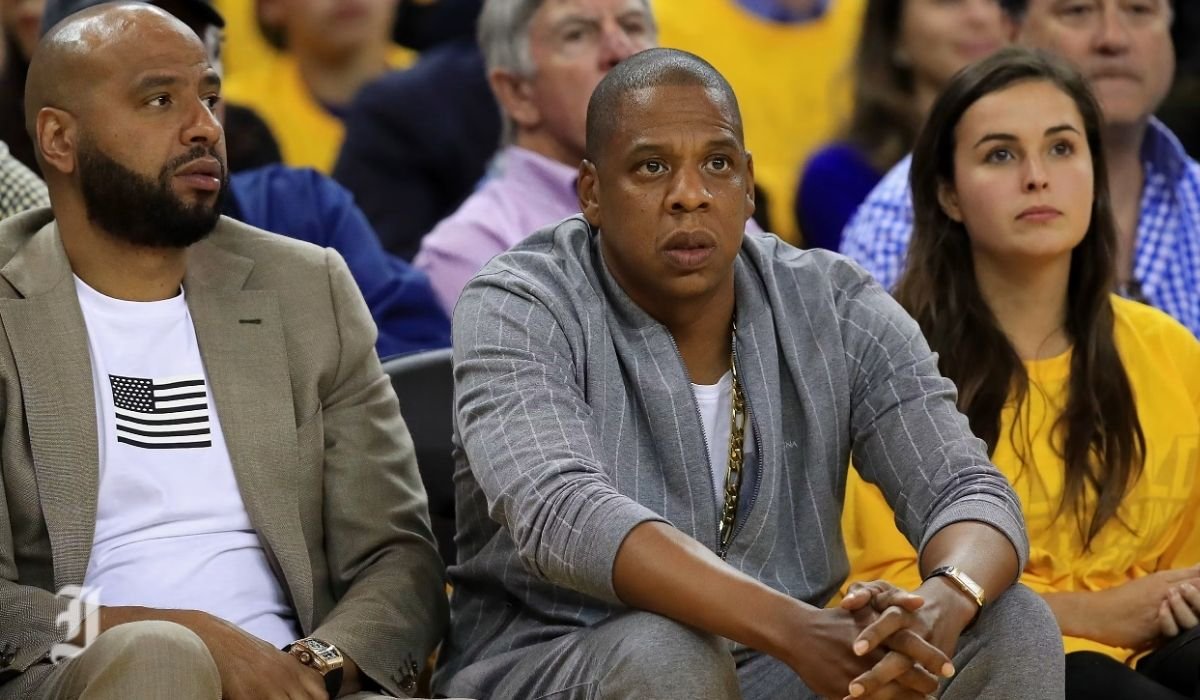
The Carter family’s early years were rooted in Brooklyn, where JAY-Z grew up before becoming one of the most commercially successful figures in hip-hop. The family eventually lived in the Marcy Houses public housing development in Bedford-Stuyvesant, a setting that became an important part of JAY-Z’s identity and storytelling. His mother, Gloria Carter, played a particularly important role in keeping the family together after Reeves was no longer present in the home.
For JAY-Z, his father’s departure was not an isolated childhood event. It became part of the emotional background behind his ambition, guarded personality, and later reflections about relationships. As he became successful, he often connected his determination to protect and provide for his mother with what he had experienced as a child. The family story therefore helps explain why themes of loyalty, responsibility, fatherhood, and emotional vulnerability became so prominent in his later work.
Why Did Adnis Reeves Leave His Family?
One of the most sensitive parts of the story involves why Reeves left. JAY-Z has connected his father’s decline to the trauma surrounding the murder of his brother, Ray. According to accounts of JAY-Z’s recollections, Reeves became deeply affected by the loss and struggled emotionally afterward. His problems were compounded by alcohol and other personal difficulties, which contributed to the breakdown of the family relationship.
It is important not to reduce that history to a simple claim that Reeves merely abandoned his children without explanation. JAY-Z himself has spoken about developing a different perspective as an adult. In 2017, while discussing the song “Adnis,” he explained that his earlier music often expressed anger toward his father, but that his feelings eventually developed into greater understanding and respect. That evolution is central to understanding the complicated relationship between the two men.
How Did His Father’s Absence Affect JAY-Z?
The disappearance of a parent during childhood can leave questions that remain unresolved for years, and JAY-Z has repeatedly described that kind of emotional impact. When Reeves left, JAY-Z was around 11 years old, and his mother became responsible for raising the family. Later accounts of his childhood emphasize how quickly he felt he had to mature and how strongly he wanted to make sure his mother would eventually be financially secure.
That experience also became part of the emotional foundation of JAY-Z’s songwriting. Rather than treating his childhood only as a source of hardship, he eventually used it to examine how people carry family experiences into adulthood. His reflections about Reeves became more nuanced as he aged, particularly after becoming a husband and father himself. The story illustrates why JAY-Z’s later work often sounds more reflective than the music of his younger years.
Did Adnis Reeves and JAY-Z Reconcile?
Yes. Father and son eventually reconciled in 2003 after years of estrangement. Their reunion was significant because it happened after JAY-Z had already become a successful recording artist, meaning the younger man who once struggled with his father’s absence was able to meet Reeves again as an adult with his own perspective and experiences. Reports indicate that the reconciliation occurred only months before Reeves’ death.
The reunion did not erase the pain of the past, but it gave JAY-Z an opportunity to address feelings that had remained unresolved. He was able to speak directly with his father rather than continuing to carry unanswered questions. According to accounts of their relationship, Reeves died later that same year after suffering from serious liver problems. For JAY-Z, the timing made their reconciliation especially meaningful because it allowed him to have one final period of connection with his father.
How Did Adnis Reeves Die?
Adnis Reeves died in 2003, shortly after reconnecting with his son. Reputable accounts associated his death with liver failure and describe years of alcohol-related problems as part of the circumstances surrounding his declining health. Because Reeves was a private individual, considerably less verified biographical information exists about his medical history than about his famous son.
His death had an important emotional effect on JAY-Z because the reconciliation had occurred so close to the end of Reeves’ life. Instead of remaining permanently estranged, father and son had managed to reconnect. That distinction became important in JAY-Z’s later reflections, especially as he began discussing family and fatherhood with greater openness in interviews and music.
Adnis Reeves’ Influence on JAY-Z’s Music
Reeves became an important presence in JAY-Z’s music even though he was absent from much of the rapper’s childhood. JAY-Z referenced his father and the emotional consequences of their relationship across different songs and projects. His lyrics often explored anger, abandonment, regret, forgiveness, and the difficulty of understanding a parent’s choices from the perspective of a child.
One of the clearest examples is “Adnis,” a song associated with JAY-Z’s 2017 album 4:44. The track was previewed before the album’s release and was explicitly connected to his father. The song’s concept centers on an unfinished emotional conversation with Reeves, making it one of the most direct examples of JAY-Z turning his family history into art.
Why “Adnis” Matters to JAY-Z’s Story
The importance of “Adnis” goes beyond simply naming a song after a parent. The track arrived during a period when JAY-Z was publicly examining his personal mistakes, marriage, family relationships, and emotional development. 4:44 became one of his most introspective projects, and the inclusion of “Adnis” connected his adult reflections to one of the earliest unresolved relationships in his life.
The song also demonstrates how JAY-Z’s relationship with his father evolved over time. Earlier in his career, references to Reeves could carry obvious resentment, while his later writing showed more willingness to consider the circumstances behind his father’s behavior. That shift from anger toward understanding is one of the strongest themes in the story of Adnis Reeves and his son.
Adnis Reeves’ Legacy in JAY-Z’s Life
Reeves’ legacy can also be seen in JAY-Z’s approach to fatherhood. Becoming a father himself gave JAY-Z another perspective on the relationship he had with his own dad. Instead of only asking why Reeves left, he could also consider what it meant to be emotionally present for his own children and how childhood experiences can influence the next generation.
This generational perspective is one reason the story remains relevant. JAY-Z eventually became the father of Blue Ivy, Rumi, and Sir Carter with Beyoncé, and his public discussions about family have often emphasized presence, responsibility, and emotional connection. His relationship with Reeves cannot explain every part of his personality or parenting philosophy, but it clearly became one of the personal experiences through which he understood fatherhood.
The 2026 Tribute to Adnis Reeves
In 2026, Adnis Reeves unexpectedly became part of a new JAY-Z story when the rapper changed his hairstyle. After wearing locs for years, JAY-Z appeared with an Afro during his performance at the Roots Picnic in Philadelphia. Beyoncé later explained that the style was chosen as a tribute to his father, who also wore an Afro and was associated with Philadelphia sports.
The detail gave the hairstyle a meaning far beyond fashion. According to Beyoncé’s explanation, JAY-Z specifically wanted the Afro to honor his father, making the 2026 appearance a personal tribute decades after Reeves’ death. It was a quiet reminder that even though JAY-Z’s father died in 2003, his memory remains connected to the rapper’s identity and family story.
What Is Known and Unknown About Adnis Reeves?
Because Reeves was not a public figure in his own right, readers should be careful with online biographies that provide highly specific claims about his birth date, career, education, income, or personal history without strong sourcing. The most reliable information comes from JAY-Z’s own discussions and reputable reporting about the Carter family. Details that cannot be independently verified should not be presented as established facts.
The strongest confirmed story is therefore relatively focused: Reeves was JAY-Z’s father, he was part of the rapper’s early family life, he left when JAY-Z was about 11, father and son later reconciled in 2003, and Reeves died that same year. His memory subsequently became part of JAY-Z’s music, particularly “Adnis,” and his influence resurfaced publicly through JAY-Z’s 2026 hairstyle tribute. That is a more accurate and useful biography than filling gaps with questionable personal details.
Frequently Asked Questions (FAQs)
1. Who was Adnis Reeves?
Adnis Reeves was the father of JAY-Z, whose birth name is Shawn Corey Carter. He was part of JAY-Z’s early family life in Brooklyn but later became estranged from his son. Their relationship was eventually restored in 2003, shortly before Reeves died.
2. Who was Adnis Reeves married to?
Adnis Reeves was married to Gloria Carter, JAY-Z’s mother. Gloria later became the primary parent raising JAY-Z and his siblings after Reeves was no longer living with the family.
3. Why did Adnis Reeves leave JAY-Z?
JAY-Z has connected his father’s departure to severe personal and emotional difficulties, including the trauma surrounding the murder of his brother Ray and problems involving alcohol. JAY-Z later said that, as an adult, he gained a more complicated understanding of what his father had experienced.
4. When did Adnis Reeves die?
Adnis Reeves died in 2003, only months after reconnecting with JAY-Z. Accounts of the relationship state that Reeves died from liver failure after years of health problems.
5. Did JAY-Z forgive his father?
JAY-Z eventually moved toward forgiveness and understanding rather than remaining defined by anger. His later comments about Reeves show that his perspective changed significantly as he grew older and became a husband and father himself.
6. Did JAY-Z write a song about Adnis Reeves?
Yes. JAY-Z released a song titled “Adnis” in connection with his 2017 album 4:44. The song explores his relationship with his father and reflects the unresolved emotions surrounding their separation, reconciliation, and family history.
7. How did JAY-Z honor Adnis Reeves in 2026?
In 2026, JAY-Z debuted an Afro at the Roots Picnic in Philadelphia. Beyoncé later revealed that he chose the hairstyle as a tribute to his father, Adnis Reeves, who also wore an Afro.
Final Thoughts
The story of Adnis Reeves is ultimately a story about a father and son whose relationship was shaped by separation, pain, and eventual reconciliation. Reeves was absent for a formative part of JAY-Z’s childhood, but that absence never stopped influencing the artist’s thoughts about family, responsibility, forgiveness, and fatherhood. As JAY-Z became older, his understanding of his father moved beyond childhood anger and toward a more mature attempt to understand the circumstances behind Reeves’ choices.
That evolution is what makes the story meaningful today. From the emotional themes of “Adnis” on 4:44 to JAY-Z’s 2026 decision to wear an Afro in his father’s honor, Reeves continues to occupy a small but significant place in the public story of one of hip-hop’s most influential artists. His life was largely private, but the relationship he shared with JAY-Z became part of the rapper’s art, personal growth, and understanding of what it means to be a father.