

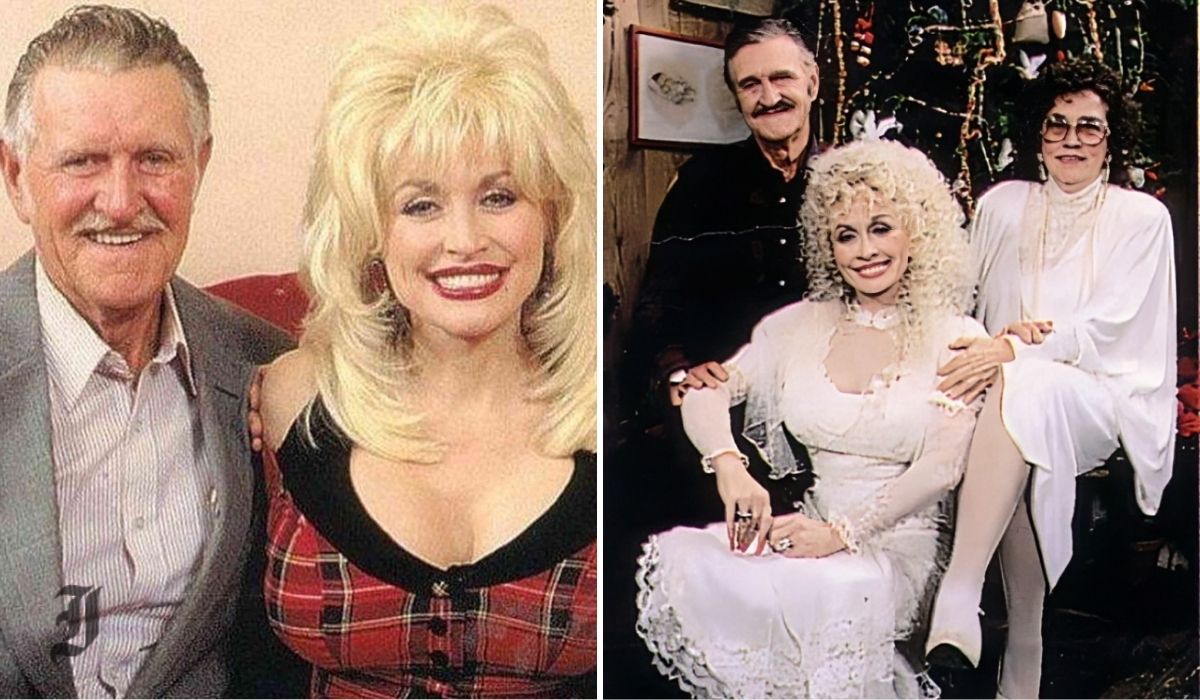
Dolly Parton is one of the most recognizable figures in American entertainment, celebrated for her music, philanthropy, and enduring connection to her Appalachian roots. While millions know her remarkable story, fewer people are familiar with the man who helped shape her values and worldview: Robert Lee Parton Sr., affectionately known as Lee Parton.
His life was not defined by fame or public attention, but by hard work, sacrifice, and devotion to family. As the father of one of country music’s biggest stars, he played a vital role in creating the foundation that influenced Dolly’s character, career, and charitable mission.
Quick Bio Table
| Detail | Information |
|---|---|
| Full Name | Robert Lee Parton Sr. |
| Known As | Lee Parton |
| Date of Birth | March 22, 1921 |
| Birthplace | Sevierville, Tennessee |
| Region | East Tennessee, Smoky Mountains |
| Date of Death | November 12, 2000 |
| Age at Death | 79 |
| Wife | Avie Lee Caroline Owens Parton |
| Children | 12 children, including Dolly Parton |
| Occupations | Farmer, sharecropper, construction worker, tradesman |
| Known For | Being Dolly Parton’s father |
| Legacy | Inspiration behind Dolly Parton’s Imagination Library |
Who Was Robert Lee Parton?
Robert Lee Parton Sr. was born on March 22, 1921, in the mountains of East Tennessee. Raised in a region known for its strong family traditions and hardworking communities, he spent much of his life working to provide for those he loved. Although he never sought public recognition, his story became widely known through Dolly Parton’s memories, interviews, songs, and charitable work.
Today, many people searching for information about the Parton family discover a man whose influence extended far beyond his own generation. His legacy is deeply connected to values such as perseverance, humility, and practical wisdom. Despite limited educational opportunities, he earned the respect of his family through determination and an exceptional understanding of life, business, and human nature.
Early Life in the Smoky Mountains of Tennessee
Growing Up in Appalachian Tennessee
Life in rural Tennessee during the early twentieth century was often challenging, especially for families who depended on farming and manual labor. Lee Parton grew up in an environment where hard work was necessary for survival. Economic opportunities were limited, and children frequently helped support their households from an early age. These realities shaped his outlook and prepared him for a lifetime of responsibility.
Learning Through Experience
Unlike many people today, he did not have the opportunity to pursue extensive formal education. Family obligations and financial hardship required him to work rather than spend years in school. However, those who knew him often described him as exceptionally intelligent. Dolly Parton herself repeatedly referred to her father as one of the smartest people she ever met, emphasizing that intelligence is not always measured by classroom achievements. His understanding of farming, construction, negotiation, and family management reflected years of practical experience.
Building Strong Values
The lessons learned in the Smoky Mountains became central to his character. Resilience, self-reliance, and loyalty were not abstract ideas but daily necessities. These qualities later became visible in the way he raised his children and influenced the future success of the Parton family.
Marriage to Avie Lee Parton and Family Life
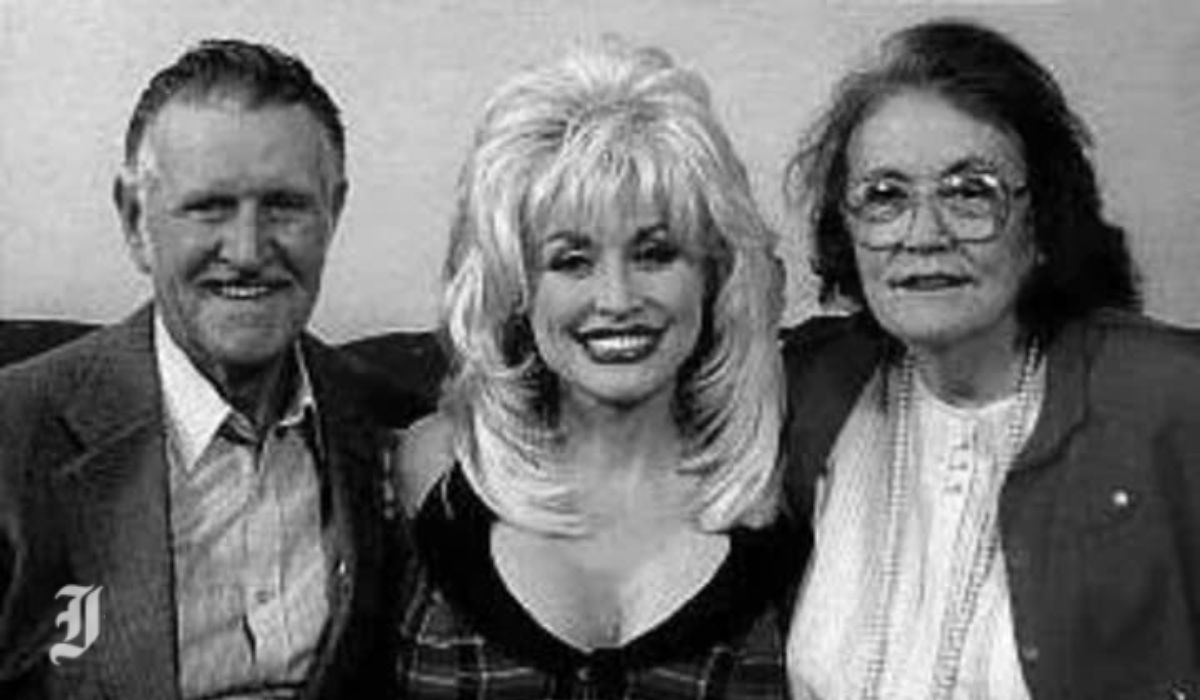
In 1939, Robert Lee Parton married Avie Lee Caroline Owens Parton. According to public family records, Lee was 17 years old and Avie Lee was 15 when they began their life together. Their marriage would become the cornerstone of a large and close-knit family that remained deeply connected despite financial struggles.
The couple eventually welcomed twelve children. Their family included Willadeene, David, Coy, Dolly, Robert Jr., Stella, Cassie, Randy, Larry, Floyd, Freida, and Rachel. Tragically, Larry died shortly after birth in 1955, a heartbreaking event remembered within the family for many years. Raising such a large household required extraordinary commitment, especially in a rural area where resources were often scarce. Together, Lee and Avie Lee created a home built on faith, love, and mutual support, values that Dolly frequently credits as essential to her upbringing.
Raising 12 Children in a Modest Mountain Home
A Home Rich in Love
The Parton family lived in a small cabin in the mountains of East Tennessee. Financially, they had very little compared to many American families, but Dolly has often explained that they never lacked affection or emotional support. Her childhood memories consistently emphasize the warmth and unity of the household.
Daily Challenges and Sacrifices
Supporting twelve children required careful planning and endless effort. Lee worked long hours to ensure basic needs were met, while Avie Lee managed the household and cared for the children. Their teamwork allowed the family to navigate difficult circumstances without losing hope or dignity.
Lessons Passed to Future Generations
Growing up in this environment taught the Parton children the importance of gratitude, generosity, and hard work. These values would later appear in Dolly’s music, business decisions, and charitable initiatives, demonstrating the lasting impact of her parents’ guidance.
Work as a Farmer, Sharecropper, and Construction Worker
Throughout his life, Lee Parton held several physically demanding jobs. He worked as a sharecropper, managed farmland, and took construction projects whenever opportunities arose. Like many Appalachian workers of his generation, he adapted to whatever employment was available in order to support his family.
His daily responsibilities often involved long hours and difficult conditions. Farming required patience and resilience, while construction demanded practical skills and endurance. Despite these challenges, he remained committed to providing for his household. Family stories describe him as resourceful and dependable, qualities that earned admiration from relatives and neighbors alike. His ability to work tirelessly under difficult circumstances became one of the defining characteristics of his life.
Poverty and the Reality of Dolly Parton’s Childhood
The Parton family’s financial struggles have become an important part of Dolly Parton’s personal story. She has openly discussed growing up in poverty, yet she consistently emphasizes that her childhood was filled with love and meaningful relationships. The contrast between limited material resources and abundant emotional support helped shape her positive outlook on life.
Several aspects of the family’s experience illustrate the realities they faced:
- Living in a small mountain cabin with a large family
- Depending heavily on farming and seasonal work
- Sharing limited resources among twelve children
- Relying on strong family bonds during difficult times
- Learning self-sufficiency from an early age
- Finding joy in simple traditions and community connections
These experiences contributed to Dolly’s deep appreciation for family, generosity, and community service later in life.
The Story of Dolly Parton’s Birth and the Bag of Cornmeal
One of the most famous stories connected to Lee Parton involves Dolly’s birth on January 19, 1946. She was delivered by Dr. Robert F. Thomas in the family’s modest cabin in Locust Ridge, Tennessee. At the time, the family had very little money available to pay medical expenses.
According to Dolly’s recollections, her father compensated the doctor with a bag of cornmeal. While simple, the story vividly illustrates the economic hardships facing many rural Appalachian families during that era. Rather than being remembered as a symbol of deprivation alone, the incident has become a testament to the determination and resourcefulness of her parents. Dolly later honored Dr. Thomas in her music, ensuring that the story remained part of her family’s history.
His Struggle With Reading and Writing
One of the most meaningful aspects of Lee Parton’s biography involves his limited literacy. Because he needed to work as a child, he did not have the opportunity to complete a traditional education. As a result, reading and writing remained challenging throughout much of his life.
This situation affected everyday tasks that many people take for granted, including reading forms, books, and written instructions. Yet Dolly consistently emphasized that her father was highly intelligent despite these limitations. She often pointed out that he possessed extraordinary common sense and business knowledge. His experience demonstrates that educational opportunity and intelligence are not the same thing. The challenges he faced would eventually inspire one of the most significant literacy initiatives in the world.
Why Dolly Parton Considered Her Father Remarkably Smart
Although Lee Parton struggled with literacy, Dolly repeatedly described him as one of the smartest individuals she had ever known. His intelligence appeared through practical decision-making, financial judgment, and problem-solving abilities developed over decades of real-world experience.
Family members frequently observed his talent for understanding people and situations. Whether managing farm operations, negotiating work opportunities, or guiding his children, he displayed insight that earned widespread respect. Dolly’s admiration for her father reflects a broader truth: wisdom often develops through experience, perseverance, and observation rather than formal credentials alone. His example challenged stereotypes and demonstrated the many forms intelligence can take.
The Inspiration Behind Dolly Parton’s Imagination Library
Perhaps the most far-reaching aspect of Lee Parton’s legacy is his connection to Dolly Parton’s Imagination Library. Established in 1995, the program was created to help children gain access to books during their earliest years of development. The inspiration came directly from Dolly’s memories of her father’s inability to read and write comfortably.
The program initially served children in East Tennessee but expanded dramatically over time. Today, it distributes free books to families across the United States, Canada, the United Kingdom, Australia, and the Republic of Ireland. Millions of children have benefited from the initiative. Dolly has shared that before her father passed away, he told her that the Imagination Library was probably the most important thing she had ever accomplished. That statement highlights the profound emotional connection between his personal struggles and her global literacy mission.
Daddy’s Dinner Bucket and His Lasting Legacy
Among the many family stories associated with Lee Parton, one of the most touching is the tale of “Daddy’s Dinner Bucket.” After long days working in the Tennessee mountains, he would return home carrying his green lunch bucket. Often, he saved small portions of food from his meal to share with his children. Even when resources were limited, he looked for ways to bring happiness to his family.
Robert Lee Parton died on November 12, 2000, at the age of 79. While he never achieved celebrity status himself, his influence continues to be felt through Dolly Parton’s success, charitable work, and public appreciation for her Appalachian heritage. His life represents the experiences of countless hardworking parents who quietly shape future generations through sacrifice, guidance, and unwavering love. The values he embodied remain visible in Dolly’s commitment to education, family, and community service.
Final Thoughts
The story of Robert Lee Parton is ultimately a story about character rather than fame. He was a devoted husband, a hardworking father of twelve children, and a man who overcame significant challenges while maintaining dignity and determination. His life reflects the resilience of Appalachian families and the importance of practical wisdom, generosity, and perseverance.
Although most people know him as Dolly Parton’s father, his impact reaches much further. Through the lessons he taught, the values he demonstrated, and the inspiration he provided, his legacy continues to touch millions of lives. From a humble mountain home in Tennessee to a global literacy movement, Lee Parton’s influence remains an enduring part of the Parton family story.
Frequently Asked Questions (FAQs)
1. Who was Robert Lee Parton?
Robert Lee Parton Sr. was the father of country music icon Dolly Parton. He was a Tennessee farmer, sharecropper, construction worker, and devoted family man who raised twelve children with his wife, Avie Lee Parton.
2. When was Robert Lee Parton born?
He was born on March 22, 1921, in Sevierville, Tennessee. He spent most of his life in the East Tennessee region and remained closely connected to his Appalachian roots.
3. Who was Robert Lee Parton married to?
Robert Lee Parton married Avie Lee Caroline Owens Parton in 1939. Together, they built a large family and created a loving home despite significant financial challenges.
4. How many children did Robert Lee Parton have?
He and Avie Lee Parton had twelve children. Their family included Dolly Parton, Stella Parton, Randy Parton, Rachel Parton, and several other siblings who grew up in the Smoky Mountains of Tennessee.
5. What did Robert Lee Parton do for a living?
He worked as a farmer, sharecropper, construction worker, and skilled tradesman. Throughout his life, he took on physically demanding jobs to support his family and provide for his children.
6. How did Robert Lee Parton inspire the Imagination Library?
His struggles with reading and writing deeply influenced Dolly Parton. Wanting to help children gain access to books and literacy opportunities, she created the Imagination Library in his honor.
7. When did Robert Lee Parton die?
Robert Lee Parton passed away on November 12, 2000, at the age of 79. His memory continues to live on through his family, Dolly Parton’s charitable efforts, and the educational programs inspired by his life story.
Explore more useful Information visit Insider Union