

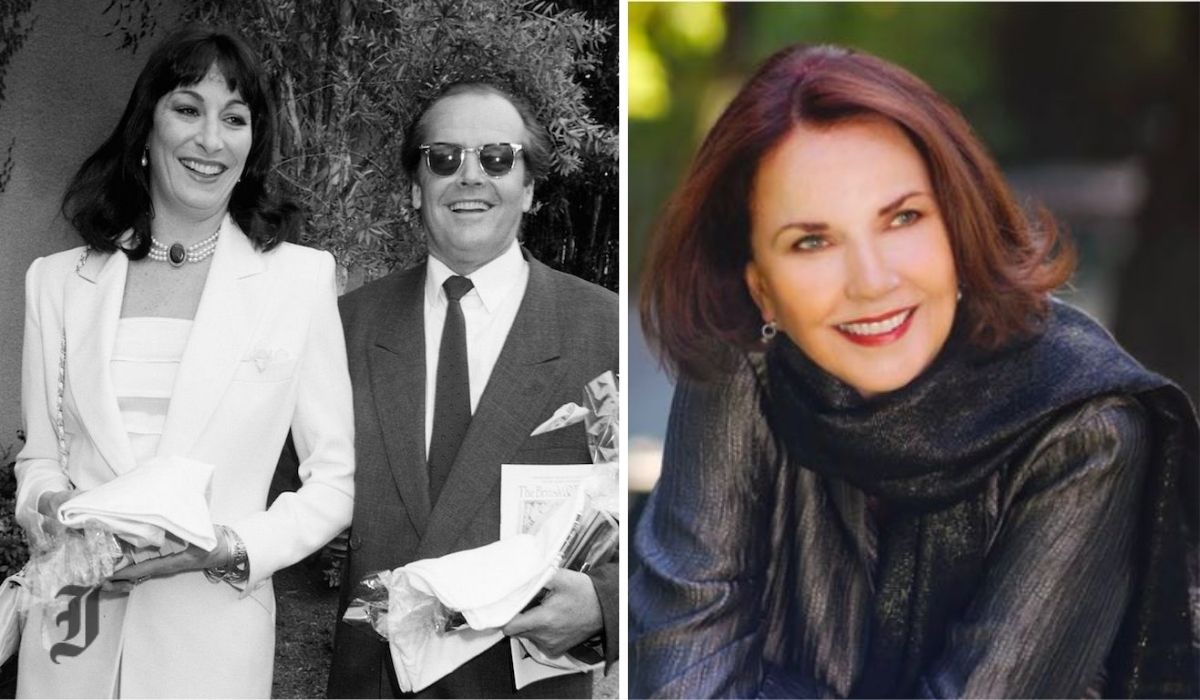
Sandra Knight occupies a unique place in Hollywood history. While many people recognize her as Jack Nicholson’s first wife, her life story extends far beyond that connection. A talented performer who began entertaining audiences at a young age, she built a career in film and television during the late 1950s and 1960s, appearing alongside respected stars such as Robert Mitchum, Vincent Price, and Boris Karloff. Over time, she transitioned from acting into painting, writing, cultural work, and spiritual coaching, creating a multifaceted legacy that continues to intrigue classic film enthusiasts.
For readers exploring a detailed Sandra Knight biography, her journey offers an interesting look at early Hollywood, family life, artistic reinvention, and personal growth. From her breakthrough role in Thunder Road to her later years in Hawaii, her story reflects the evolution of a woman who continually expanded her identity beyond the entertainment industry.
Quick Bio Table
| Detail | Information |
|---|---|
| Full Name | Sandra D. Knight |
| Professional Name | Sandra Knight |
| Later Name | Sandra Knight Stephenson |
| Birthplace | Philadelphia, Pennsylvania, USA |
| Birth Year | Commonly listed as 1939 or 1940 |
| Nationality | American |
| Profession | Actress, Painter, Writer, Spiritual Coach |
| Education | Santa Monica City College, UCLA studies, Otis Art Institute |
| Famous Film | Thunder Road (1958) |
| Former Spouse | Jack Nicholson (1962–1968) |
| Daughter | Jennifer Nicholson |
| Known For | Acting, art, writing, and spiritual work |
Who Is Sandra Knight?
Sandra Knight is a retired American actress whose career flourished during Hollywood’s transition from the studio era into the television age. Born in Philadelphia and raised primarily in Los Angeles, she developed artistic interests early in life. Her official biography describes a childhood filled with singing, dancing, modeling, and acting experiences that laid the groundwork for her future career.
Although many online searches focus on the connection between Sandra Knight and Jack Nicholson, film historians often remember her for her own contributions to cinema. She appeared in several cult classics and television programs that remain part of classic American entertainment history. Her later work as a painter, writer, and spiritual mentor demonstrates a life that continued to evolve long after her acting years ended.
Sandra Knight’s Early Life and Entry Into Entertainment
Childhood Performances and Creative Foundations
From an early age, Knight displayed a natural affinity for performing arts. As a child, she participated in singing groups and public performances, including work with a ukulele ensemble known as the String Busters. These experiences helped build confidence and stage presence long before she entered professional acting.
Her education also contributed to her artistic development. While attending Santa Monica City College, she became involved with children’s theater productions and continued refining her skills. During this period, she gained exposure to acting techniques, stage performance, and creative storytelling. Those experiences would prove invaluable when opportunities in Hollywood began to emerge.
Discovery by Hollywood Talent Scouts
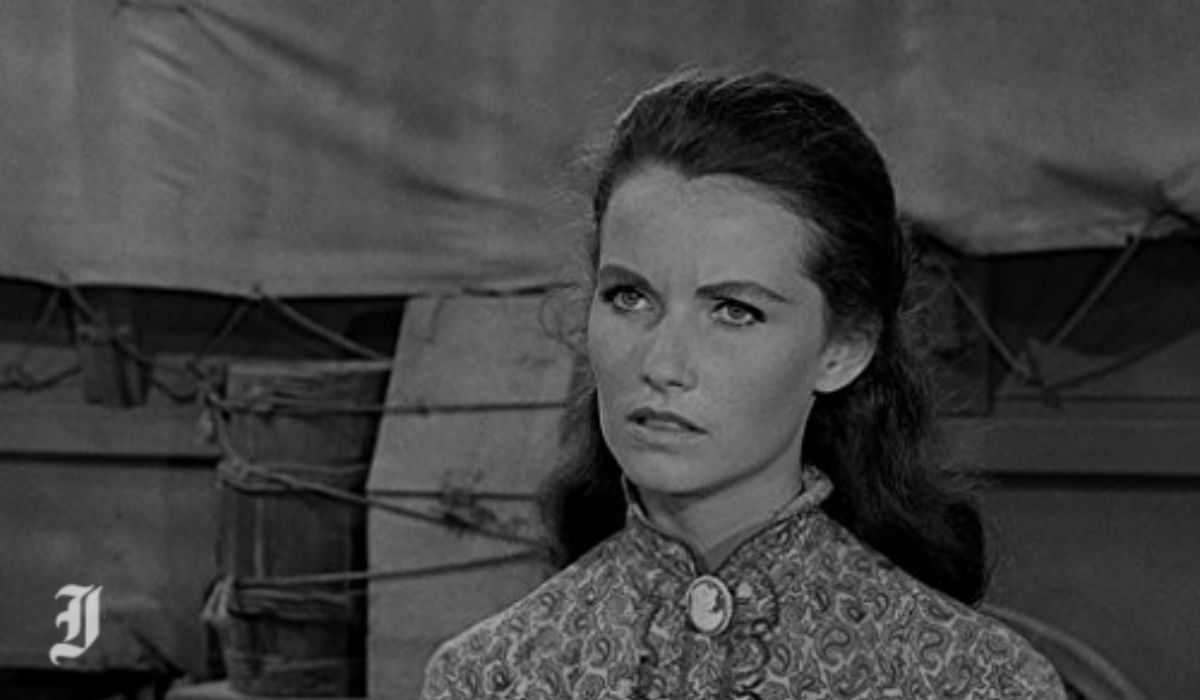
A major turning point occurred when Knight performed the song The Last Time I Saw Paris during a talent show. According to her biography, a Hollywood agent noticed her performance and recognized her potential. Soon afterward, she was cast in the lead role of the stage comedy The Moon Is Blue. The visibility from that production opened doors within the film industry and helped launch her professional acting career.
Sandra Knight’s Breakthrough in Thunder Road
Working With Robert Mitchum
One of the most significant milestones in Sandra Knight’s acting career came in 1958 when she was cast as Roxanna Ledbetter in Thunder Road. The film starred Robert Mitchum, who reportedly selected Knight after reviewing hundreds of candidates for the role. This opportunity placed her alongside one of Hollywood’s most respected leading men and introduced her to a much wider audience.
The movie has since become a cult favorite and remains one of the most frequently discussed entries in her filmography. For many classic film fans, Sandra Knight Thunder Road remains an important search term because the role established her as a promising young actress during a competitive era of filmmaking. The success of the project also helped her secure additional film and television opportunities throughout the following decade.
Her Film and Television Career During the 1950s and 1960s
Knight worked steadily throughout the late 1950s and 1960s, appearing in both feature films and popular television programs. She became particularly associated with genre cinema, including horror and thriller productions that later gained cult followings. Some of her most notable screen credits include:
- Thunder Road (1958)
- Frankenstein’s Daughter (1958)
- The Terror at Black Falls (1962)
- Tower of London (1962)
- The Terror (1963)
- Blood Bath / Track of the Vampire (1966)
- Television appearances in Tales of Wells Fargo, Laramie, The Rebel, Surfside 6, State Trooper, and several other series
Beyond film, she appeared in more than thirty television roles, reflecting the demand for versatile performers during television’s rapid growth. Her ability to move between drama, westerns, suspense stories, and horror productions contributed to a varied and respected body of work.
The Significance of The Terror and Cult Cinema
Among Sandra Knight movies, The Terror remains especially important because it brought together several notable figures in film history. Released in 1963, the movie featured Boris Karloff and a young Jack Nicholson at a time when both actors were in very different stages of their careers.
Knight portrayed Helene, contributing to a film that later became a favorite among cult horror audiences. The production is frequently discussed by fans of classic genre cinema because it represents an interesting moment in independent filmmaking during the early 1960s. Her appearances in projects such as Frankenstein’s Daughter, Tower of London, and The Terror also connected her to legendary horror icons including Vincent Price and Boris Karloff, strengthening her place within classic horror film history.
Sandra Knight and Jack Nicholson’s Marriage
Hollywood’s Future Star and His Only Marriage
The relationship between Sandra Knight and Jack Nicholson remains one of the most searched aspects of her life. The couple married in 1962, during the early stages of Nicholson’s career. At the time, neither could have predicted the extraordinary level of fame Nicholson would eventually achieve.
Their marriage lasted until 1968, making Knight the only woman Nicholson ever married. Although the actor later had several high-profile relationships, he never remarried after their divorce. Because of this distinction, searches for Jack Nicholson wife Sandra Knight continue to generate significant interest among film fans and biographical researchers.
Life Together During Early Hollywood Years
Their years together coincided with Nicholson’s efforts to establish himself in the film industry. Both were working actors navigating Hollywood’s competitive environment, sharing experiences that shaped their professional and personal lives. While public attention often centers on Nicholson’s later success, Knight was already building her own acting résumé during this period and should be viewed as an accomplished performer in her own right.
Motherhood and Her Relationship With Jennifer Nicholson
One of the most meaningful roles in Sandra Knight’s life has been motherhood. In 1963, she and Nicholson welcomed their daughter, Jennifer Nicholson. Over the years, Jennifer developed careers in fashion, design, art, and acting, establishing her own creative identity.
Many accounts note that Jennifer spent much of her childhood with her mother, including years in Hawaii. This period reflects Knight’s commitment to family and stability during a time when Hollywood careers often involved significant personal challenges. Today, discussions surrounding Sandra Knight daughter Jennifer Nicholson frequently highlight the strong creative influences that passed from one generation to the next.
Life Beyond Hollywood Fame
A Shift Toward Art, Writing, and Creativity
After her most active acting years, Knight gradually redirected her attention toward other creative pursuits. She studied painting, philosophy, and writing through educational programs and private instruction. These interests became increasingly important as she moved away from mainstream film work.
Her artwork later explored themes connected to identity, memory, and performance. Some paintings reportedly drew inspiration from characters she portrayed during her acting career, allowing her to revisit earlier experiences through a different artistic medium. This transition demonstrates how her creativity continued to flourish even after leaving Hollywood’s spotlight.
Screenwriting and Literary Projects
During the 1980s, Knight collaborated with her second husband, John Stephenson, on several screenwriting projects. Their work included scripts such as King City, The Contest, and A Question of Balance. She also wrote children’s stories and theatrical works, expanding her involvement in storytelling beyond acting. These projects reveal a commitment to artistic expression that extended across multiple creative disciplines.
Sandra Knight Stephenson and Her Spiritual Journey
Another important chapter of her life emerged through spiritual study and personal development. Known in later years as Sandra Knight Stephenson, she became deeply interested in philosophical and spiritual teachings, particularly those associated with Joel Goldsmith and The Infinite Way.
Her dedication eventually led to professional coaching and mentoring work. As a certified spiritual coach, she focused on helping individuals apply spiritual principles to everyday life. This aspect of her career may be less widely known than her acting achievements, yet it became a central part of her identity for decades. Her involvement in publishing, educational programs, and coaching reflected a desire to support personal growth and self-discovery in others.
Cultural Contributions and Life in Hawaii
Hawaii became an important setting for Knight’s later years. Rather than disappearing from public life, she remained engaged with artistic and cultural organizations. She served on the board of the Hawaii International Film Festival and participated in activities connected to museums, arts institutions, and community cultural programs.
Her continued involvement with film and visual arts demonstrated a lasting commitment to creativity. While many former performers distance themselves entirely from the entertainment world, Knight maintained meaningful connections to both cinema and the broader artistic community. This balance between privacy and cultural engagement helped shape the distinctive path she followed after Hollywood.
Why Sandra Knight Continues to Fascinate Readers
Interest in Sandra Knight today stems from several compelling factors. She represents a fascinating bridge between classic Hollywood and modern celebrity culture. Her film career intersects with iconic names such as Robert Mitchum, Boris Karloff, Vincent Price, and Jack Nicholson, while her later achievements reveal a woman who successfully reinvented herself beyond acting.
Unlike many figures remembered primarily for a famous marriage, Knight developed careers in painting, writing, coaching, and cultural leadership. Her story offers valuable insight into resilience, creativity, and personal transformation. Whether readers discover her through Thunder Road, The Terror, or her connection to Nicholson, they often find a biography that is richer and more complex than expected.
Conclusion
Sandra Knight’s life cannot be summarized solely through her marriage to Jack Nicholson. She was a performer from childhood, a respected Hollywood actress, the mother of Jennifer Nicholson, an accomplished painter, a writer, and a spiritual coach. Her contributions to film, television, art, and personal development reflect a lifetime of creative exploration and growth.
From her breakthrough in Thunder Road to her later cultural and spiritual work in Hawaii, she built a legacy defined by far more than celebrity connections. For anyone researching classic Hollywood personalities, Sandra Knight remains an intriguing figure whose story deserves recognition on its own merits.
Frequently Asked Questions (FAQs)
1. Who is Sandra Knight?
Sandra Knight is an American retired actress, painter, writer, and spiritual coach. She is known for her film and television work during the 1950s and 1960s and for being Jack Nicholson’s first and only wife.
2. Was Sandra Knight married to Jack Nicholson?
Yes. Sandra Knight married Jack Nicholson in 1962. Their marriage lasted until 1968, and she remains the only woman Nicholson ever married.
3. Did Sandra Knight and Jack Nicholson have children?
Yes. They had one daughter, Jennifer Nicholson, who was born in 1963. Jennifer later pursued careers in design, fashion, art, and acting.
4. What are Sandra Knight’s most famous movies?
Her best-known films include Thunder Road, The Terror, Frankenstein’s Daughter, Tower of London, and Blood Bath. These productions helped establish her reputation within classic and cult cinema.
5. What is Sandra Knight known for besides acting?
Beyond acting, she became a painter, writer, cultural supporter, and spiritual coach. Her later work focused on art, publishing, personal development, and spiritual education.
6. Where did Sandra Knight live after Hollywood?
Sandra Knight spent significant years in Hawaii, where she participated in cultural organizations and remained active in artistic and community projects while pursuing her creative and spiritual interests.
7. Why is Sandra Knight still relevant today?
She remains relevant because of her connection to classic Hollywood, her marriage to Jack Nicholson, her cult-film legacy, and her successful transition into art, writing, and spiritual coaching. Her story continues to interest film historians and readers exploring Hollywood history.
Explore more useful Information visit Insider Union