


The name Cynthia Sanchez Vallejo frequently appears in discussions about the family of legendary regional Mexican music icon Chalino Sánchez. While her father became one of the most influential figures in corrido music and her brother, Adán Sánchez, followed a musical path of his own, Cynthia has largely remained outside the public spotlight. That contrast has fueled curiosity among fans who want to learn more about the woman connected to one of the most famous families in Mexican music history.
Unlike many celebrity children who build careers around their family name, Cynthia has maintained a notably private lifestyle. As a result, much of the public interest surrounding her revolves around her family background, her connection to Chalino’s enduring legacy, and the tragic events that shaped the Sánchez family story. Understanding her life requires looking beyond headlines and exploring the remarkable history that surrounds her.
Quick Bio Table
| Detail | Information |
|---|---|
| Full Name | Cynthia Sanchez Vallejo |
| Also Known As | Cynthia Sánchez Vallejo |
| Known For | Being the daughter of Chalino Sánchez |
| Father | Rosalino “Chalino” Sánchez Félix |
| Mother | Marisela Vallejos Félix |
| Sibling | Adán Santos Sánchez Vallejo |
| Nationality | Mexican-American |
| Birthplace | Reportedly Los Angeles, California |
| Public Profile | Private family figure |
| Family Legacy | Regional Mexican music |
| Famous Relative | Chalino Sánchez |
| Associated Interests | Reported links to marketing and digital media |
| Recognition | Member of the renowned Sánchez family |
Who Is Cynthia Sanchez Vallejo?
Cynthia Sanchez Vallejo is best known as the daughter of Rosalino “Chalino” Sánchez Félix, the influential singer-songwriter widely regarded as one of the pioneers of modern corridos and narcocorridos. Although she is connected to a legendary musical family, she has chosen a life that is considerably more private than many celebrity relatives.
Publicly available information about Cynthia remains limited. Most references to her appear in biographies, family histories, and discussions about the lasting influence of her father. Unlike her brother Adán, who pursued a career in regional Mexican music, Cynthia has not become known as a recording artist or public entertainer. This distinction has contributed to the mystery surrounding her life and has made her a subject of ongoing interest among fans of the Sánchez family.
Family Identity and Public Recognition
Because she was born into a family closely associated with music, culture, and public fascination, her identity has often been linked to events that occurred long before she entered adulthood. Her public recognition stems primarily from her place within the Chalino Sánchez family, rather than from personal celebrity pursuits. For many observers, she represents an important connection to one of the most influential musical legacies in Mexican-American culture.
Growing Up in the Shadow of a Musical Legend
Being the daughter of Chalino Sánchez meant inheriting a family history unlike almost any other. Chalino rose from difficult circumstances in Sinaloa, Mexico, to become an icon whose music resonated deeply with working-class audiences on both sides of the U.S.-Mexico border. His songs captured stories of struggle, migration, survival, and real-life experiences that many listeners found relatable.
Cynthia’s childhood was shaped by this extraordinary legacy, but it was also marked by profound loss. She was still young when her father was killed in 1992, meaning much of her understanding of him likely came through family memories, recordings, media coverage, and the stories shared by devoted fans. For children of famous figures, preserving personal memories while navigating public attention can be a unique challenge, and Cynthia’s experience appears to reflect that reality.
The Sánchez family’s journey mirrors the experiences of many Mexican-American families who balanced cultural traditions with life in the United States. Chalino’s rise to fame occurred largely within immigrant communities, making his story especially meaningful to generations of fans. As part of that family history, Cynthia occupies a place within a broader cultural narrative that continues to resonate today.
The Role of Marisela Vallejos Félix in the Family
Behind every well-known public figure is often a family member who provides stability away from the spotlight. In the case of the Sánchez family, that role has frequently been associated with Marisela Vallejos Félix, Cynthia’s mother and Chalino’s widow.
Reports indicate that Chalino and Marisela married during the 1980s and built a family together while navigating the challenges that came with his growing popularity. Following his death, Marisela faced the difficult responsibility of raising her children while preserving the memory of their father. Her influence likely played a major role in maintaining family unity during periods of grief and public attention.
The death of a globally recognized musician can place enormous pressure on surviving family members. Marisela’s efforts to protect her children from excessive public scrutiny may help explain why Cynthia eventually adopted a more private approach to life. Unlike many celebrity families that actively seek media exposure, the Sánchez family often maintained boundaries between their personal lives and public curiosity.
Understanding the Legacy of Chalino Sánchez
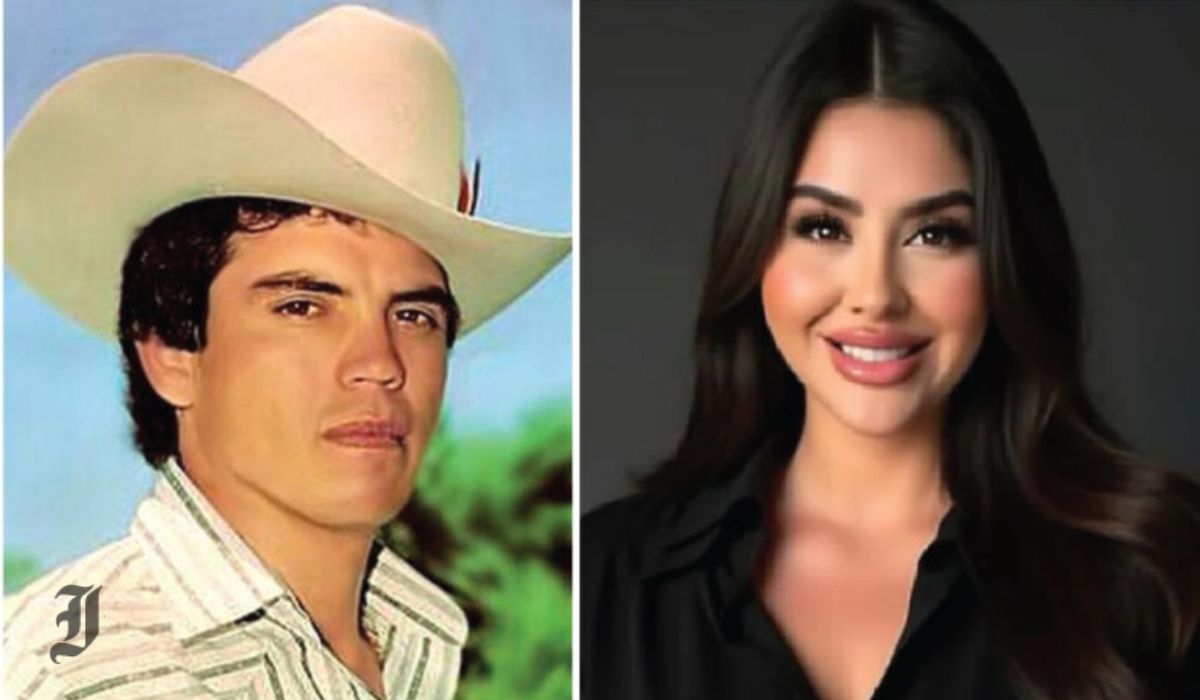
To understand why interest in Cynthia continues today, it is essential to understand the impact of her father. Chalino Sánchez transformed regional Mexican music through his distinctive storytelling style. His corridos frequently drew inspiration from real events and personal experiences, creating a raw authenticity that distinguished him from many performers of his era.
His influence remains visible across modern regional Mexican genres, including contemporary corridos and corridos tumbados. Artists continue to cite him as an inspiration, and his recordings remain widely celebrated decades after his death. Some of the reasons his legacy endures include:
- His role in popularizing modern corrido storytelling.
- His connection to immigrant and working-class communities.
- The authenticity of his lyrics and personal experiences.
- The continued popularity of albums such as Alma Enamorada and Nieves de Enero.
- His influence on newer generations of regional Mexican artists.
This enduring popularity naturally keeps public attention focused on his family, including his daughter.
The Tragic Death That Changed Everything
One of the most discussed chapters in regional Mexican music history is the death of Chalino Sánchez. In May 1992, after performing in Culiacán, Sinaloa, he was reportedly stopped by armed individuals presenting themselves as authorities. The following day, his body was discovered with signs of execution.
The case remains unsolved, and numerous theories have circulated over the years. However, many details frequently repeated online remain unverified. Historians and journalists often note that Chalino’s story blends documented facts with folklore and speculation. For that reason, discussions about his death should rely on confirmed information rather than sensationalized claims.
For Cynthia, the event represented not only the loss of a father but also the beginning of a lifelong connection to a public tragedy that continues to attract attention more than three decades later.
Separating Facts From Myths
One example involves the famous note reportedly handed to Chalino during his final performance. While many believe it contained a threat, its contents have never been publicly confirmed. Understanding this distinction helps paint a more accurate picture of the family’s history and prevents myths from overshadowing verified facts.
Cynthia’s Relationship With Her Brother Adán Sánchez
Another important figure in Cynthia’s life was her brother, Adán Santos Sánchez Vallejo. Known professionally as Adán Chalino Sánchez, he pursued a music career that honored his father’s legacy while building his own fan base.
Adán gained recognition at a young age and became one of the most promising young performers in regional Mexican music. His resemblance to Chalino and his dedication to preserving the family’s musical heritage made him especially popular among fans who remembered his father.
For Cynthia, Adán represented more than a public figure. He was a sibling who shared the unique experience of growing up in a family forever linked to one of music’s most enduring legends.
The Second Family Tragedy
In 2004, the Sánchez family experienced another devastating loss when Adán Sánchez died in a car accident in Sinaloa at just 19 years old. The tragedy shocked fans across Mexico and the United States, particularly because it occurred so many years after Chalino’s death yet revived memories of the family’s earlier heartbreak.
Authorities reported no evidence of foul play, despite widespread speculation. Nevertheless, the emotional impact was profound. The loss of both a father and brother under tragic circumstances further shaped public perceptions of the Sánchez family and intensified curiosity about the lives of surviving relatives.
For Cynthia, these events likely reinforced the value of privacy. While the public followed family developments closely, she remained largely absent from media attention, choosing a quieter path than many expected.
Coping With a Public Family History
Living with such a well-known family narrative can be difficult. Every anniversary, documentary, or news feature about Chalino or Adán tends to renew interest in the family. Maintaining privacy under those circumstances requires deliberate effort and personal resilience.
Why Cynthia Sanchez Vallejo Stays Away From the Spotlight
One of the most common questions people ask is why Cynthia never pursued the same public path as her father and brother. The simplest answer is that there is no evidence she sought a career in entertainment. While some secondary sources suggest she may have interests in marketing, business, social media, or digital communications, these reports are not widely verified through major interviews or official statements.
What is clear is that she has generally avoided extensive media exposure. In an era where social media often encourages constant visibility, her preference for privacy stands out. Rather than building a public persona around the Sánchez name, she appears to have maintained a more personal and independent lifestyle.
This approach has not reduced public curiosity. In fact, the limited information available about her has often increased interest among fans seeking insight into the family behind the legend.
Public Interest and the Enduring Sánchez Family Legacy
Searches related to Chalino Sánchez daughter, Cynthia Sánchez Vallejo biography, and Chalino Sánchez children continue to generate significant attention online. Much of this interest comes from newer generations discovering Chalino’s music through streaming platforms, documentaries, and social media discussions.
As audiences revisit the story of El Rey del Corrido, they naturally become curious about the family members who carry his legacy forward. Cynthia represents an important part of that story because she provides a living connection to a cultural figure whose influence remains remarkably strong decades after his death.
Her choice to remain private has not diminished her significance. Instead, it highlights the difference between inherited fame and personal public ambition. While many people know her name because of her family, she has largely allowed the music and memories of her father and brother to remain at the center of public attention.
Conclusion
The story of Cynthia Sanchez Vallejo is closely connected to one of the most influential families in regional Mexican music. As the daughter of Chalino Sánchez and the sister of Adán Sánchez, she inherited a legacy marked by artistic achievement, cultural impact, and personal tragedy. Yet despite widespread public interest, she has chosen a quieter path away from the spotlight.
What makes her story compelling is not celebrity status but the unique position she occupies within an enduring musical legacy. While fans continue to celebrate Chalino’s contributions to corrido music and remember Adán’s promising career, Cynthia remains a private figure whose life reflects dignity, resilience, and respect for family history. Her connection to the Sánchez name ensures that interest in her story will likely continue for years to come.
Frequently Asked Questions (FAQs)
1. Who is Cynthia Sanchez Vallejo?
Cynthia Sanchez Vallejo is the daughter of legendary Mexican corrido singer Chalino Sánchez and Marisela Vallejos Félix. She is also the sister of late regional Mexican singer Adán Sánchez. Most public interest in her comes from her connection to the famous Sánchez family.
2. What is Cynthia Sanchez Vallejo known for?
She is primarily known as Chalino Sánchez’s daughter. Unlike her father and brother, she has not built a public music career and has generally maintained a private lifestyle away from media attention.
3. Who are Cynthia Sanchez Vallejo’s parents?
Her parents are Rosalino “Chalino” Sánchez Félix and Marisela Vallejos Félix. Their family became widely recognized due to Chalino’s influence on regional Mexican music and corrido culture.
4. Did Cynthia Sanchez Vallejo have any siblings?
Yes. She had one brother, Adán Santos Sánchez Vallejo, better known as Adán Chalino Sánchez. He became a successful regional Mexican singer before his tragic death in 2004.
5. Is Cynthia Sanchez Vallejo a singer?
There is no widely verified evidence that she pursued a professional singing career. Most public records and biographies identify her as a private family member rather than an entertainer.
6. Where is Cynthia Sanchez Vallejo now?
Specific details about her current residence and personal life are not publicly confirmed. She has largely stayed out of the spotlight, which has helped maintain her privacy over the years.
7. Why do people search for Cynthia Sanchez Vallejo?
People search for her because of her connection to Chalino Sánchez, one of the most influential figures in corrido music. Interest in her also stems from curiosity about the Sánchez family legacy, including the lives of Chalino’s children and surviving relatives.